

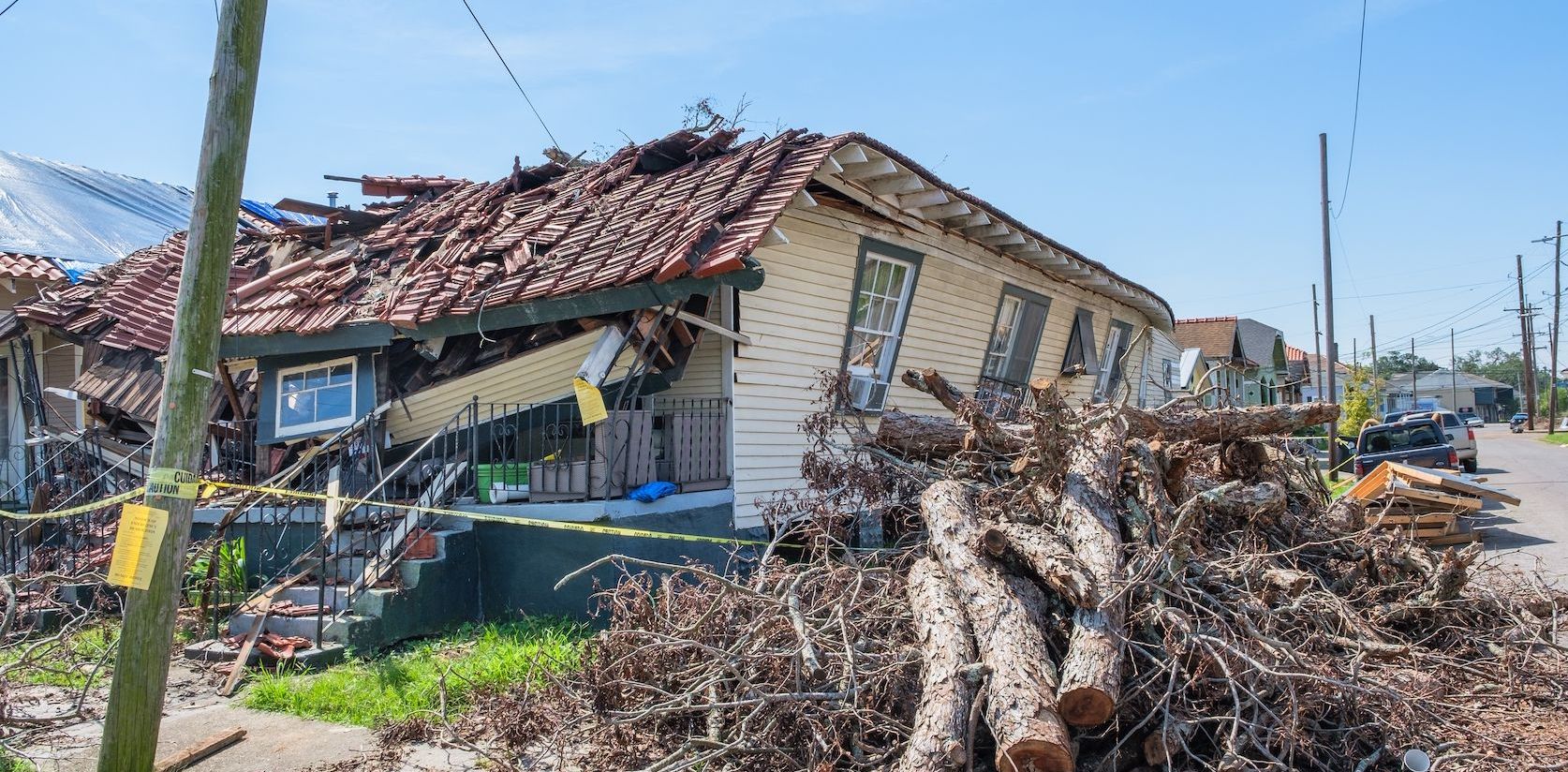
Texas windstorms don’t give much warning. One hour it’s blue skies: the next, shingles are in the yard and your inbox is filling up with neighbors’ photos. When wind damage hits a home or business, fast, organized action can mean the difference between a smooth insurance claim and months of back-and-forth. This guide walks through what to check first, how to document damage, when and how to file, and what to do if an insurer drags its feet, all with Texas-specific realities in mind.
Assessing roof, siding, and window damage after severe Texas storms
The first inspection should be quick, safe, and systematic. Don’t climb on a slick roof or step into standing water near power lines. Start from the ground, then move room to room.
What to look for outside:
- Roof: Missing, lifted, or creased shingles: shingle granules piling in gutters: bent or detached flashing: punctures from flying debris: ridge cap damage. On metal roofs, check for displaced panels, compromised seams, and functional damage (not just cosmetic scuffs).
- Siding and fascia: Impact cracks, warping, and sections pulled loose by suction. Pay attention to windward and leeward sides: turbulence can damage areas you don’t expect.
- Gutters and downspouts: Sagging runs, loosened hangers, and seams pulled apart, often a clue to roof-edge damage.
- Windows and doors: Cracked panes, blown-out seals, bent frames, and gaps in weatherstripping. Check garage doors for misalignment or panel deformation, failures here can pressurize a structure and worsen roof loss.
- HVAC and rooftop equipment (for commercial): Shifted units, bent fins, torn curbs, missing hail guards.
Inside checks that matter for claims:
- Ceilings and walls: Fresh water spots, bubbling paint, and damp drywall, especially under valleys, roof penetrations, or along exterior walls.
- Attic: Daylight through decking, wind-driven rain trails, wet insulation, and lifted nails. Use a headlamp, not a phone flashlight alone.
- Flooring and baseboards: Swelling or cupping that indicates wind-driven rain intrusion.
Pro move: Take a quick 360° video of each exterior elevation and the roofline from the street. It anchors the “before and after” narrative adjusters rely on, especially when entire neighborhoods are affected by the same cell.
Collecting visual evidence and repair estimates for adjusters
Great claims are built on great documentation. After ensuring safety and stopping obvious leaks, go into evidence mode.
Visuals that stand up to scrutiny:
- Time-stamped photos: Wide shots to show context: medium shots for each affected elevation: close-ups with a ruler or coin for scale. Turn on location settings.
- Video: Slow, steady pans of roof edges, soffits, windows, and interior ceilings. Narrate briefly: date, storm name if known, and what you’re seeing.
- Drones: Only if you’re trained and it’s legal/clear of hazards. Otherwise, stick to pole-mounted cameras.
Paper trails adjusters actually use:
- Contractor assessments: Get at least two written estimates from licensed Texas roofers or general contractors. Ask them to separate emergency tarping/board-up from permanent repairs.
- Line-item detail: Estimates using Xactimate- or Symbility-style line items help adjusters mirror scope. Include photos, measurements, and materials (e.g., “30-year architectural shingles,” “24-gauge standing seam”).
- Moisture readings: If there’s interior water, capture moisture meter readings and any drying logs from mitigation vendors.
- Inventory list: For damaged personal property or business contents, list items with approximate age, model, and replacement cost. Photos plus receipts where possible.
Keep everything in one shareable folder. A simple “StormName-PropertyAddress-YYYYMMDD” structure makes it easy for an adjuster to View Details quickly and reduces follow-up emails.
Filing a wind-damage claim under homeowner or commercial policies
Timing and accuracy matter. Texas policies typically require “prompt” notice, don’t wait for a contractor’s schedule to open up.
Key steps:
- Find the right deductible. Many homeowners and commercial policies carry separate wind/hail or named-storm deductibles, often a percentage of Coverage A (dwelling) or building limit. On the Gulf Coast, hurricane deductibles may apply.
- Report the claim. Provide the date/time of loss, a brief description (e.g., “Wind Damage To Your Home from squall line, missing shingles, interior leak in living room”), and confirm temporary repairs underway.
- Share the package. Send your photo/video set, estimates, and invoices for emergency mitigation. Clearly label each file.
- Meet the adjuster with context. Walk them through the damage path (windward to leeward), show attic access, and have a ladder ready if safe. For commercial, include roof access and mechanical room keys.
- Understand valuation. Many policies pay Actual Cash Value (ACV) first, then issue recoverable depreciation after repairs are completed under Replacement Cost Value (RCV). Know what documentation triggers that second check.
- Ask about endorsements. Ordinance or Law coverage can pay for code-required upgrades (underlayment, nailing patterns, decking thickness). Matching coverage can matter for partial roof or siding replacements.
Business owners: Document downtime, canceled contracts, and extra expenses. Business interruption and Extra Expense coverage can apply when a covered wind event interrupts operations, even if power loss or road closures are the proximate cause, depending on policy wording.
Common insurer defenses leading to partial or denied payouts
Insurers don’t always say “no”, they often say “some,” pointing to exclusions or gray areas. Be ready for the usual arguments.
Frequent defenses and how to counter them:
- Wear and tear/pre-existing: Carrier claims the roof was already at end-of-life. Counter with recent maintenance records, photos from before the storm (realtor listings and Google Street View help), and contractor notes distinguishing fresh creases/tears from old granule loss.
- Improper installation/manufacturer defect: Insurer shifts blame to installer. Request a written explanation tying specific code or manufacturer spec violations to the failure, vague assertions aren’t enough.
- Cosmetic damage only (metal roofs and siding): Some policies exclude purely cosmetic marring. Have an expert show functional harm, compromised seams, punctures, dented fins on HVAC that reduce efficiency.
- Late notice/prejudice: If you discovered leaks later, explain why the damage wasn’t obvious at first (attic-only leaks, weekend travel) and show that the insurer wasn’t prejudiced by timing.
- Failure to mitigate: Carriers reduce payment claiming more damage happened after the storm. Keep receipts and photos of tarps, fans, dehumidifiers, and board-ups within 24–48 hours.
- Deductible absorption: Small losses “disappear” under high percentage deductibles. Ask for a full written estimate anyway: it informs future claims and reveals scope disputes.
- Flood vs. wind (storm surge): Homeowners policies exclude flood: wind is covered. If surge is involved, gather evidence of wind-created openings and damage before inundation. Anti-concurrent causation clauses are complex, get counsel if this comes up.
When an adjuster says “no,” ask for the specific policy provision and the factual basis for the denial in writing. That request alone often improves the conversation.
Preparing for 2025’s heightened hurricane and windstorm risks
Texas has seen an upswing in wind-driven losses fueled by record-warm Gulf and Atlantic waters. Early industry outlooks suggest 2025 could again feature favorable conditions for strong tropical systems and severe convective storms across the state. While seasonal forecasts evolve, the preparation playbook is constant.
Actionable prep now, not later:
- Roof readiness: Schedule a spring inspection. Replace brittle shingles, re-seat loose flashing, and upgrade to ring-shank nails where allowed. Consider secondary water barriers and impact-rated shingles or metal.
- Openings and envelope: Install impact-rated window film or shutters, reinforce garage doors with bracing kits, and upgrade weatherstripping. For businesses, secure rooftop units with improved curbs and hurricane hardware.
- Trees and trim: Remove dead limbs overhanging structures and thin canopies to reduce sail effect.
- Policy tune-up: Confirm wind/hail or hurricane deductibles, coverage limits, and endorsements (Ordinance or Law, Matching, Code Upgrade, Spoilage, Business Interruption). Ask your agent to walk through scenarios and provide a written summary.
- Documentation baseline: Take a full exterior and interior photo set on a calm day. Store it in the cloud, future “after” photos are more credible when you can prove the “before.”
- Vendor relationships: Pre-vet a roofer, mitigation company, and glass contractor. Having numbers ready shaves days off response time.
A simple checklist taped inside the utility room, who to call, where shutoffs are, where tarps and tools live, turns panic into a plan when the wind kicks up.
Temporary repairs and mitigation duties to prevent further loss
Every policy imposes a duty to prevent additional damage after a covered event. Do the basics fast and keep receipts, insurers generally reimburse reasonable emergency measures.
Smart, safe temporary fixes:
- Tarp and seal: Tarp compromised roof sections with 2×4 battens screwed into rafters (not just shingles). Use plastic roof cement at edges where appropriate.
- Stop the water: Set buckets, move furniture, pull baseboards to vent walls, and run fans/dehumidifiers within 24 hours to prevent mold growth.
- Board-ups: Secure broken windows and doors with exterior-grade plywood screwed into framing, not just trim.
- Electrical caution: If water reached outlets or the service panel, cut power and call a licensed electrician.
- Document while you work: A quick photo before and after each task helps you recover costs.
What to save and what to toss:
- Keep damaged parts (shingles, flashing, window seals) until the adjuster sees them.
- Bag wet carpet padding and label it for inspection: discard if advised by mitigation pros due to health concerns.
Important: Temporary repairs are not the time to re-roof an entire house. Stabilize first, scope second, replace third, so coverage and depreciation recovery stay clean.